From the blunder to the apologies and now to the negotiation

-
CAT -
CAST
Finally, the Minister of the Interior, Núria Parlon, has acknowledged the error of plainclothes officers infiltrating a teachers' assembly and has apologized. Parlon described the incident as a "poorly planned operational maneuver" that has resulted in a breakdown of trust between educational unions and the Government at a time of maximum labor tension, and has committed to ending the inertia of the corps that caused it. The ministry has, therefore, completed the U-turn that was glimpsed in the early moments of the crisis, ruling out, however, any political responsibility or "bad faith" on the part of the corps.
This was a necessary step to mend bridges with teachers, but also to clean up the image of the corps, which has been badly tarnished by this blunder. It is now time to review the protocols that support these types of actions and take appropriate measures so that nothing similar ever happens again and no group in labor conflict with the administration can feel that their rights are being undermined.
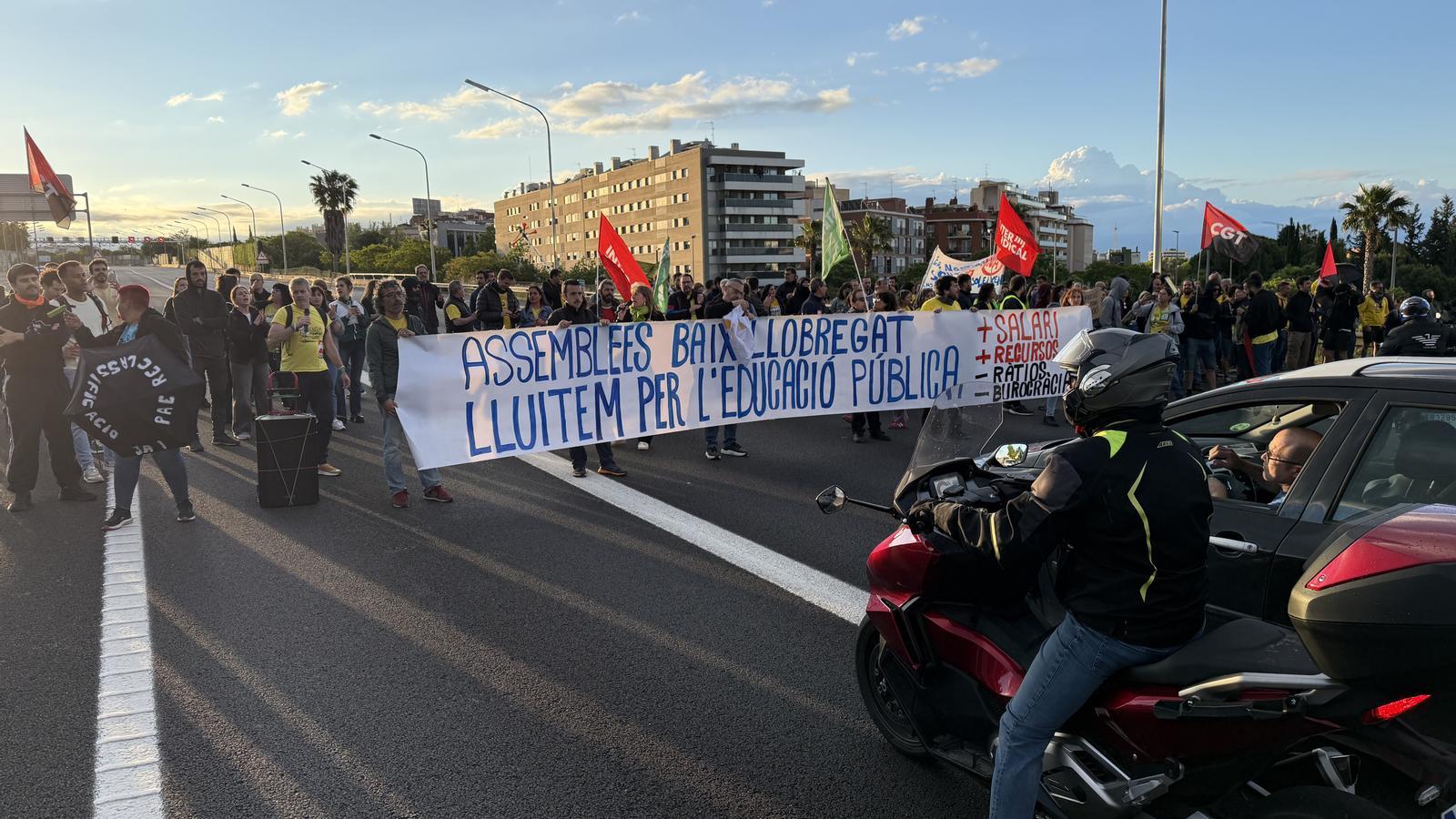
Parlon's gesture should serve to de-escalate the tension that has been building in recent weeks between the unions organizing the mobilizations and the Government, in order to reset the clock and resume negotiations. For their part, USTEC has put their demands in black and white, which for a moment seemed focused only on salaries. They have now corrected course and are prioritizing both the reinforcement of inclusive education and staffing. With all these moves on the table, the Government should now have enough flexibility to know how to move and reach an agreement with a sector on which, as a society, we place many of the imbalances we suffer.
In reality, no one is in an absolute position of strength that allows them to force the other party to accept all their conditions. The USTEC has shown a very notable mobilizing force, but it knows that it is not infinite either. And the Government also knows that these types of conflicts cause more wear and tear for a social democratic executive than for a conservative one. The survey published by ARA already showed a certain setback in the electoral expectations of the PSC.
For their part, unions must also understand that public finances are not a bottomless pit, and that administrations have the obligation to ensure every euro that comes from the taxes paid by citizens. And that although they can inflict significant damage on the ruling party, there are also collateral victims of any conflict of this nature, and in this case they are the students and their families, especially the most disadvantaged, as public school is the essential element in guaranteeing a minimum of equal opportunities.
In conclusion, a balance must be found between fair remuneration and sufficient staff and resources, and the sustainability of public finances. It is not easy, but negotiation is precisely for that.
