The Ibex falls more than 2% with cybersecurity problems in the background
The vulnerabilities in the language used by many websites cause nervousness in the markets, and add to the escalation of oil

-
CAT -
CAST
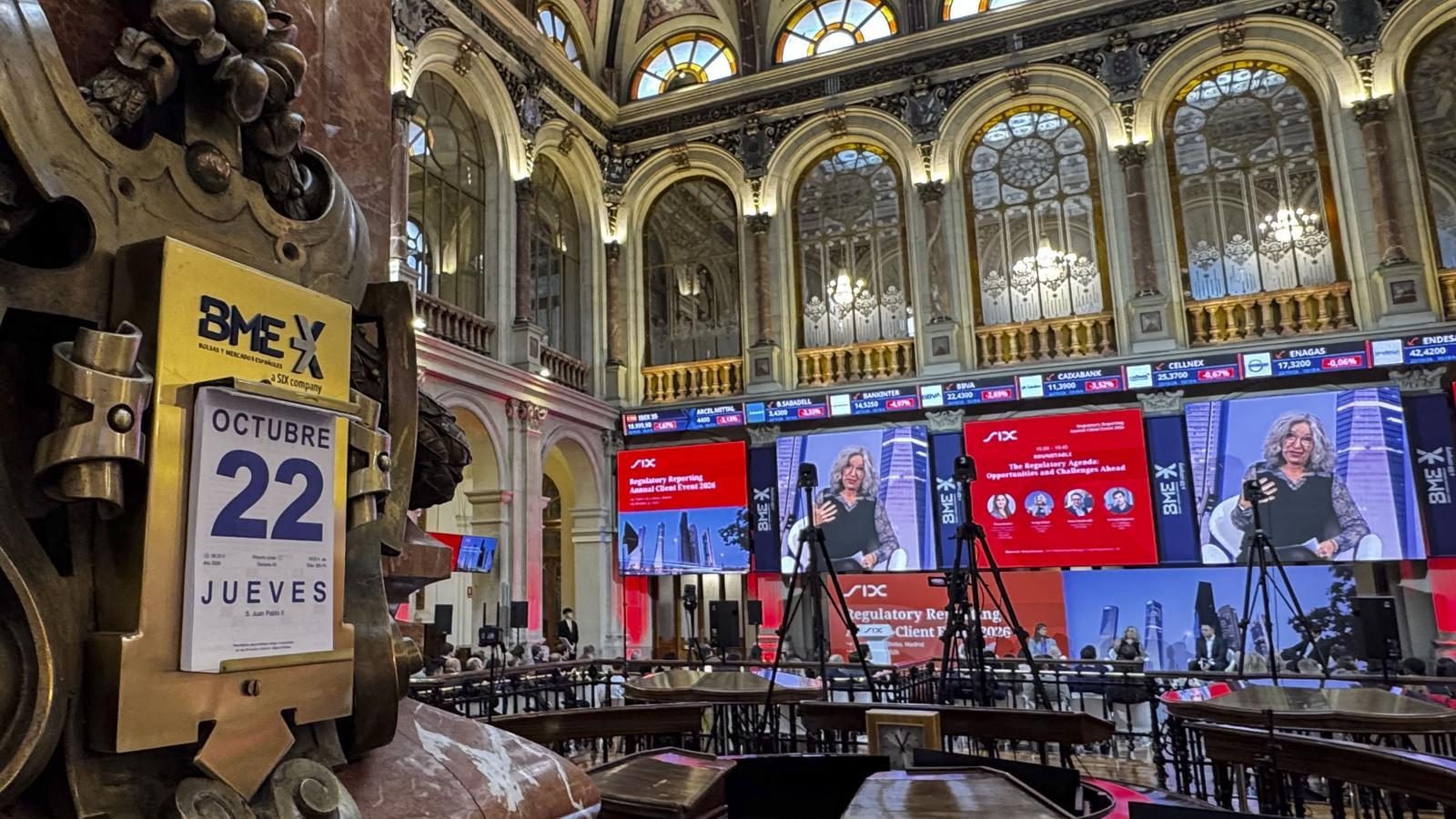
BarcelonaCybersecurity and the risks of attacks on websites and systems have returned to the spotlight in the markets. Stock exchanges experienced a day of declines this Thursday as a result of the global alarm caused by two critical vulnerabilities in PHP, the most widely used language for websites and applications worldwide. On a day also marked by the new rise in oil prices and French debt, the Ibex-35, the main benchmark for the Spanish stock exchange, fell 410 points, or 2.12%, losing the 19,000-point level (18,913.5). In fact, it recorded the largest drop among the main European markets. In any case, the rest of the continental stock exchanges also painted their boards red, such as Frankfurt (-1.07%) or Paris (-1.39%). The Euro Stoxx, the benchmark for large Eurozone companies, fell by 1.94%.
Investors have not only been focused on corporate earnings, but also on the warnings that led several official websites in different European countries and around the world to suspend services to introduce security updates. The fears were logical as attempts to exploit the weaknesses of this language, which is used by more than 70% of the world's websites, have multiplied. Various specialists claim that the announcement has triggered "millions" of cyberattack attempts.
From Red Hat, an IBM subsidiary and global leader in open source development, one of the vice presidents, Gunnar Hellekson, highlights that stable production code, that which “simply works,” is at risk today due to the speed and volume of new vulnerabilities discovered through AI-based tools. He also warns that "the domino effect derived from vulnerabilities in foundational software like PHP can extend to entire industries." Like the rest of the companies in the sector, he recommends implementing validated and tested patches as soon as they are available through reliable sources.
The Spanish stock market has also been affected by Bankinter's quarterly results, which fell 7.56% and dragged down the rest of the banking sector, with declines from CaixaBank (5.72%), Santander (4.06%), and Sabadell (3.75%). In any case, the downward trend has affected most stocks. Another element contributing to the prevalence of sales is the rise in oil prices due to the complication of the conflict in the Persian Gulf. The Brent barrel, the benchmark quality in Europe, is up more than 4%, surpassing 112 dollars.
Futures were already predicting a losing session on Wall Street as well, but they are more concentrated in the Nasdaq, which includes many technology stocks, with a decline of more than 2%, above 700 points at midday. The two detected vulnerabilities that have caused the nervousness, known collectively as PHP2Shell, could allow attackers to execute malicious code remotely on affected servers and potentially access files, databases, and other sensitive information.

As a consequence of the problem, security agencies and governments of different countries have issued urgent warnings, while major technology companies such as Google, OpenAI, Amazon, and Cloudflare are working to identify vulnerable systems, detect possible attacks, and apply protective measures. The markets are also affected by the situation in France, whose risk premium has widened to over 170 basis points, the highest since 2011, with a 10-year sovereign bond yield at 5%, the highest level since 2002. And also the trend in international markets, especially after Tesla and Meta released their results at the market close on Wednesday.
