A lyrical journey through the mysteries of childhood
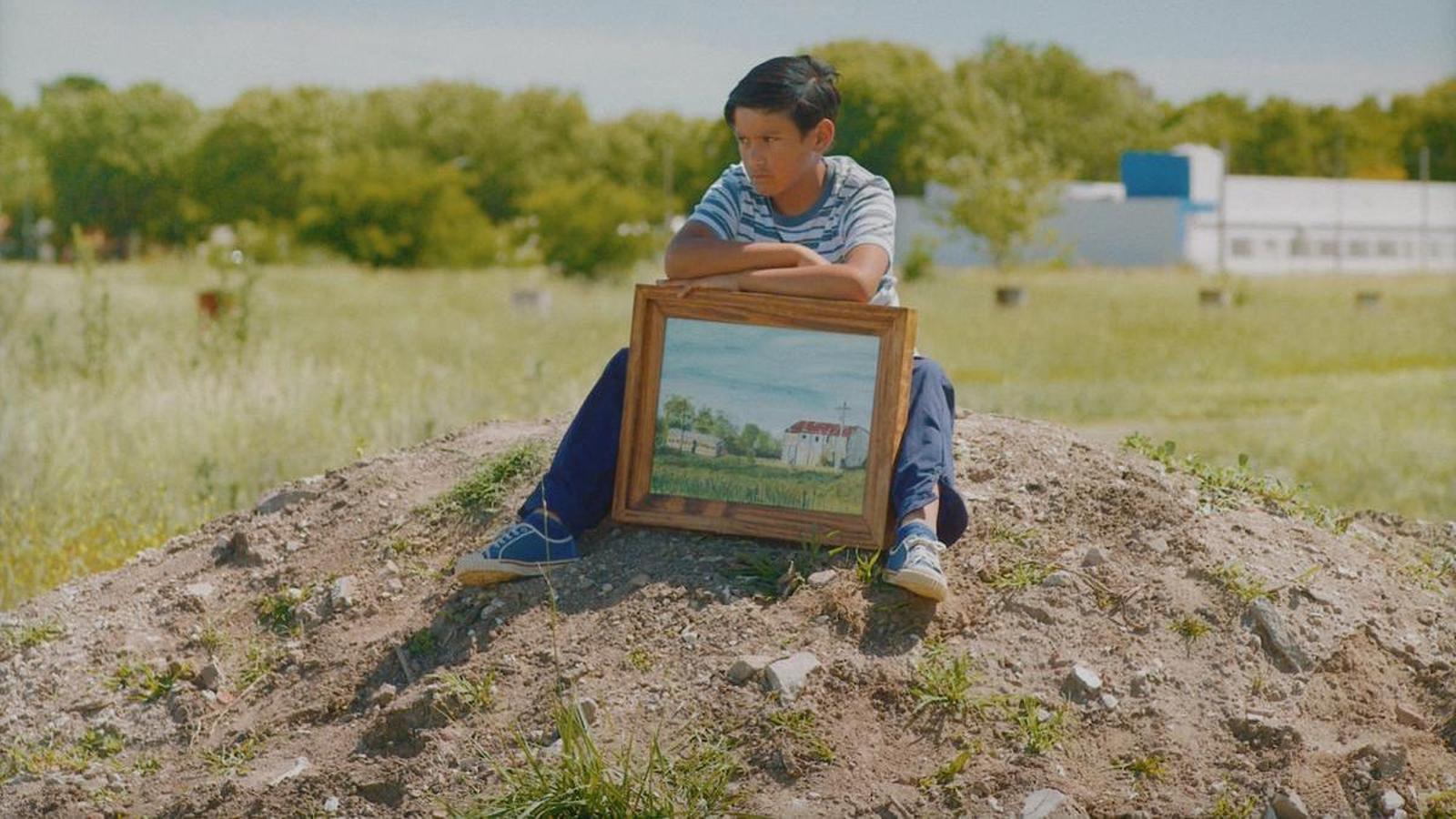
The boy Milo Barría embodies the loneliness, the bewilderment and the wonder of childhood in 'The river train'
-
CAT -
CAST
- Direction and screenplay: Lorenzo Ferro and Lucas A. Vignale
- 75 minutes
- Argentina (2026)
- With Milo Barría, Rita Pauls, Mariano Barría and Fabián Casas
Argentine cinema is one of the most resilient in the entire world. A thousand times, circumstances have been adverse to it –the most recent, when Milei and his chainsaw came to power–, and a thousand times it has demonstrated its capacity to generate remarkable and free works. The latest example we have in The River Train, a film that emanates from two desires, intimately related, of its directors, Lorenzo Ferro and Lucas A. Vignale: on one hand, to wander through the sensations that childhood leaves behind; on the other, to work with a child who could embody the loneliness, the bewilderment, and the wonder of that vital phase. It is, in fact, the eyes of its protagonist, Milo Barría, both immense and impenetrable, that are in charge of guiding us through an adventure that detaches itself from realism as the child moves away from the family home and approaches Buenos Aires, a city that signifies the opening to mystery, risk, and the possibility of discovering oneself as someone different.
The fact that the filmmakers integrate into their debut film the imaginary of Leonardo Favio, through an epiphanic quote in To Dream, To Dream, and the presence of Diego Puente, protagonist of Chronicle of a Boy Alone, creates a filiation that is by no means capricious. Its images share a trust in a generous poetry that stirs more deeply than didactic statements. The promising beauty of The River Train reaches us, however, soaked in the sadness of knowing that we have lost one of the gazes that made it possible, that of Vignale, who died in June in an accident.
