Two out of three Catalans want to limit the entry of immigrants
The percentage has increased by twenty points compared to two years ago.


-
CAT -
CAST
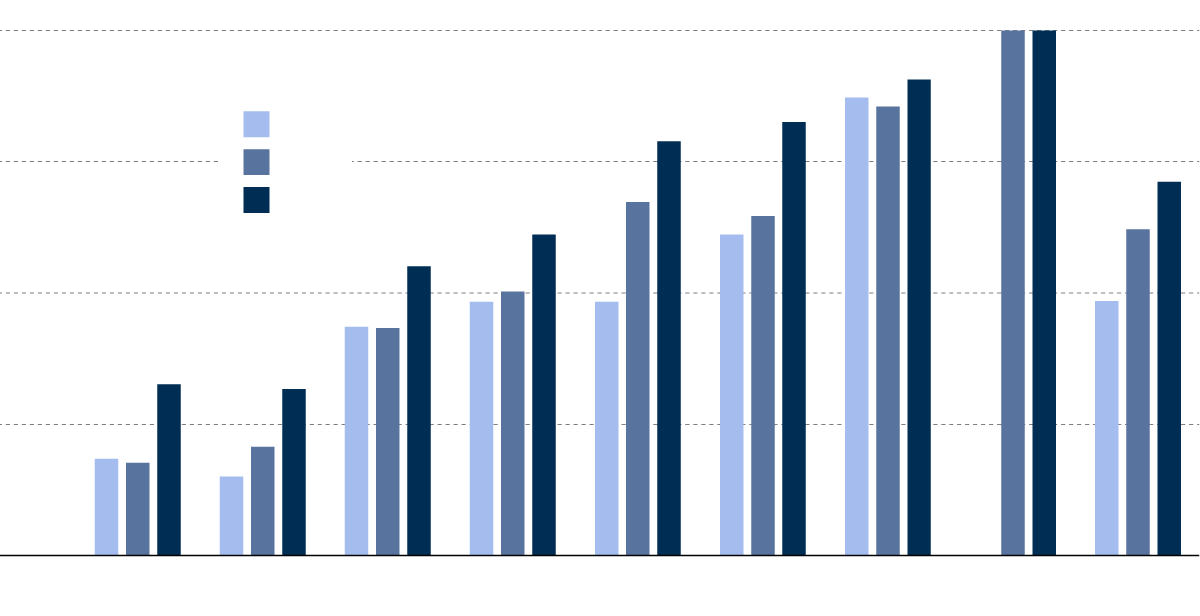
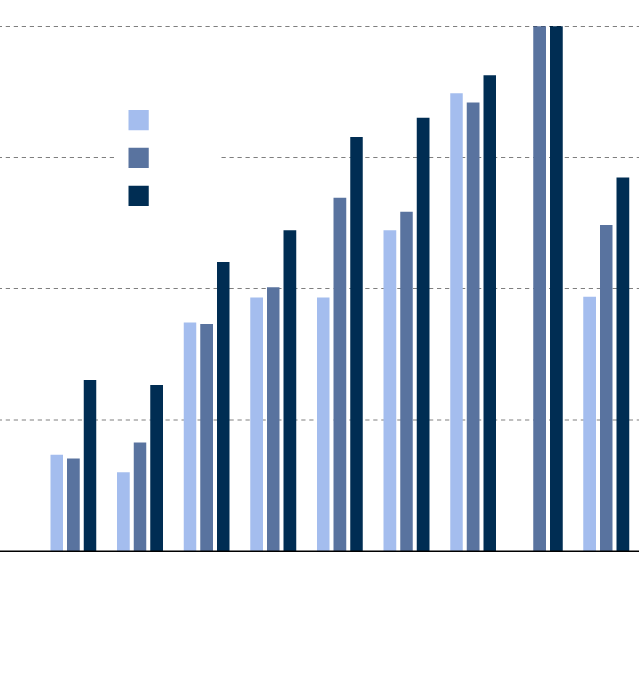
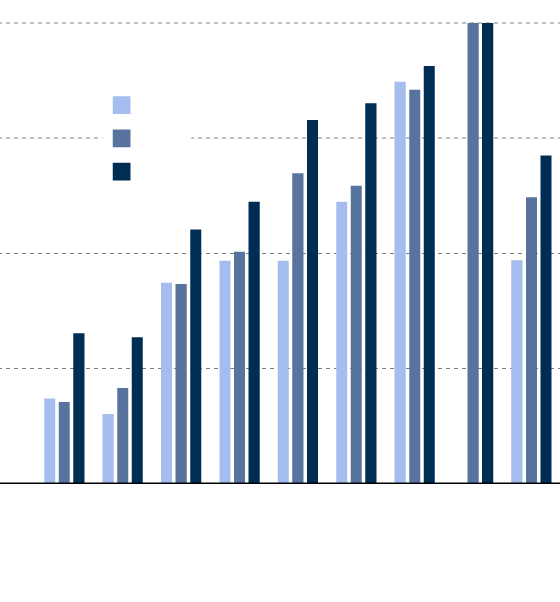
BarcelonaA growing number of Catalans believe that the influx of immigrants into the country should be curbed. Specifically, almost two out of three citizens are in favor of limiting their arrival (63.7%), a figure that has increased by almost 20 percentage points compared to two years ago. This is one of the findings of the latest survey by the Institute of Political and Social Sciences (ICPS), published this Tuesday. The survey was based on 2,000 face-to-face interviews conducted between October 13 and November 22, 2025, with a margin of error of 2.2%. The director of the institute, Oriol Bartomeus, emphasized that this figure is almost identical to that of 1993. "There is a short-term worsening, but not if we compare it to the long term," he said, after noting that in the last twenty years the foreign population "has increased tenfold."
Why has the number of people who believe immigration should be limited increased again in the last two years? According to Bartomeus, it's due to "the agenda effect," meaning that this issue has been placed at the center of political debate, projecting "negative opinions." If we break down this opinion by political party, it's among Junts voters where the view that immigration should be curbed is growing the most. "We associate this with the emergence of Aliança Catalana," Bartomeus said. Aliança voters are, in fact, the most vocal in demanding entry barriers for immigrants, followed by those of Vox, the PP, and Junts.
100%
2023
75
2024
2025
50
25
0
CUP
EnCP/Com
Sumar
ERC
PSC
Junts
PP
Vox
Al Cat
No va
votar
100%
2023
75
2024
2025
50
25
0
CUP
ERC
Al Cat
Junts
No va
votar
EnCP/Com
Sumar
PSC
PP
Vox
100%
2023
75
2024
2025
50
25
0
PP
CUP
EnCP/Com
Sumar
ERC
PSC
Junts
Vox
Al Cat
No va
votar
Young men are still more right-wing
The current survey also detects a consolidation of the trend among young men to position themselves ideologically further to the right. In fact, while a year ago this trend was prevalent among 18- to 24-year-olds, this position has now expanded to include the 25- to 34-year-old age group (increasing by 20 points). This ideological position has also increased by 17 points among younger women, aged 18 to 24.
The tendency to position oneself further to the right is a generational dynamic that began with those born in 1986. Those born between 1950 and 1985 have a more progressive profile. In fact, this trend is repeated when it comes to evaluating democracy as a political system. 63.6% of those born in 2006 support this system, a percentage that contrasts sharply with those born before the return to democracy, who support it at a rate of 85%.
Younger men are also the most reluctant to accept feminist positions. In fact, this position has declined compared to a year ago: from 57.7% to just over 50%. Although women between 18 and 24 years old remain the most feminist, this proportion has decreased compared to a year ago. On average, support for the concept feminism It has decreased in the last two years: it has gone from 67% to 59%.
The "no" vote for independence remains in the majority.
The "no" vote for independence remains in the majority, at 55.6%, although it has dropped one percentage point compared to a year ago. Support for independence thus stands at 38%. The poll confirms that voters for Aliança Catalana are the least supportive of independence among the pro-independence parties. Only 56% of voters in Orriols declare themselves pro-independence, while 44% would support remaining in Spain.
Esquerra voters are the least likely to support independence compared to Aliança Catalana: 67.8% of them declare themselves pro-independence. This electorate has seen the greatest shift in opinion since 2018, when 83.6% supported independence. CUP voters have the highest percentage of support for an independent state (86.5%), although this support has also declined compared to 2018 (92.6%). A similar trend is observed among Junts voters, where 85.3% declare themselves pro-independence, a lower percentage than the 90.6% in 2018.
The evaluation of political leaders
Salvador Illa remains the preferred political leader to be president of the Generalitat (Catalan government), and in fact, he is almost the only one whose support has increased compared to the poll from a year ago. Only Silvia Orriols, leader of Aliança Catalana, has seen a surge as the preferred candidate for president: she is now favored by 8.8% of respondents (compared to 2.6% a year ago). This percentage is at the expense of those who want Carles Puigdemont, leader of Junts, to preside over the Generalitat: while 14.5% preferred him a year ago, that percentage is now 10.2%. Oriol Junqueras, leader of ERC, remains in third place, almost tied with Puigdemont, with 10.1% support.
Orriols is the leader with the highest approval rating among her voters (8.65). And, as other polls have shown in recent months, the leader of Aliança Catalana is the second highest-rated political figure among both Junts and Vox voters. "This demonstrates the broad appeal of Silvia Orriols," Bartomeus stated.
