The strike of the trash unions
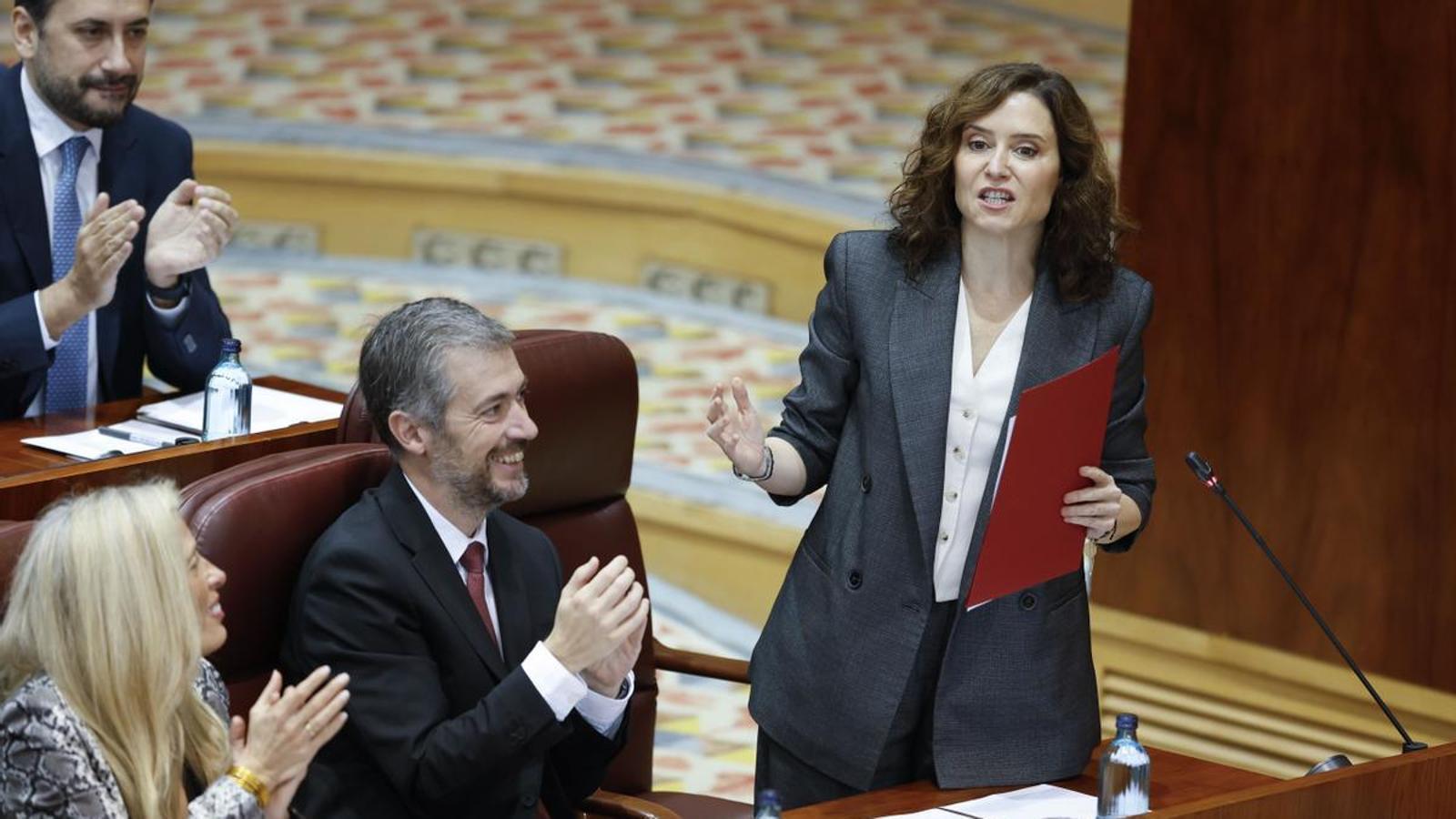

There will be more unrest soon. Living in the provinces or on the outskirts of the empire has its advantages, but also its drawbacks. A clear drawback is that, when Trumpism begins to go on sale, here we still have to put up with threats or aggression from its third-rate regional imitators. The inevitable Ayuso, half-president of Madrid and half performer, heated up the strike by asking the discouraging Feijóo that, if he wins, he eliminate the unions, "because they are garbage" (she used the word basura, more established in Spanish as an insult). It was a way of ratcheting up even more a vigil for a general strike that was already tense enough, which in turn was taking place at the doors of the most strained electoral campaign that Spanish democracy has experienced so far. Also, a way of mocking Feijóo, an exercise that is always appreciated by the best Madrid-based friend of the new Latin American fascist leaders. But Ayuso should have known that she was asking for something impossible to achieve, at least in a democracy. The possibility of making trade unionism disappear would involve a return to Francoism, when there was only the regime's Vertical Syndicate. In any case, for the umpteenth time, the Ayusian outburst brought us face to face with a common Trumpist practice: degrading freedom of expression into the crudest verbal violence, in order to dehumanize the adversary ("garbage") to leave them ready for their elimination, as an organization or as a person. It is urgent that we break the habit of the degeneration of public debate, that we refuse as citizens to accept that public representatives express themselves as if they were in the middle of a wild party.
The cases of police brutality in various places during demonstrations and gatherings were also over the line. We have all seen the images, which mirror an operational pattern by certain agents of the state's security forces and bodies that has been repeating itself for some time now. Police charges, baton strikes, pepper spray, and arbitrary arrests have become common occurrences at left-wing demonstrations, while they are conspicuously absent at those of the right and the far-right, where anyone who feels like it can let loose with Nazi salutes and shouts of long live Franco.
All of this is the prologue to the next legislative term. So is the large number of young people who took to the streets, which augurs that, whoever governs, will not have it easy at all. Popular mobilization is perhaps more alive than at any other moment in democracy, with the possible exception of the years of the Transition. A hard-line far-right government will face a very strong citizen response, but so would an improbable progressive government that thought it could coast on moralistic and demagogic speeches about the dangers of the extreme right. The democratic maturity of the citizenry also implies a greater capacity for organization and mobilization, and—whoever governs after the 29th—there will soon be more unrest.
