
The proclamation (I think it can be called that) of the new US national security strategy has highlighted two points of consensus. On the one hand, Europe's need to develop its own roadmap, separate from the Atlanticism that has so often served as its excuse. On the other, how far the current European Union is from achieving such a thing.
European inertia—on the most crucial issues, ranging from energy and technological autonomy to immigration—stems from fear, the same fear that has fueled an ideological retreat that some mistake for rearmament (both literal and metaphorical), and which leads to nothing but self-destruction. Could the European Union end up dissolving? Given the path it's on and how it has traveled in recent years, from Brexit onward, it's not an unimaginable prospect. If this were to happen, despite what some may think, Catalonia would be directly and particularly hard hit. Spain, too, of course. Since we've already mentioned it, Brexit has been a prime example of how a folly driven by a few can end up being embraced as a banner by a majority. The result can only be described as calamitous for everyone. The fuel that powered Brexit was also fear. take back control"We are no longer in the European Union," one of their slogans proclaimed, as if membership had somehow stripped them of their capacity for self-governance. Now that this absurdity has been committed, all that remains is to lament (quietly, because speaking out would mean having to acknowledge the many serious mistakes that were made), both for the United Kingdom and for the Union.
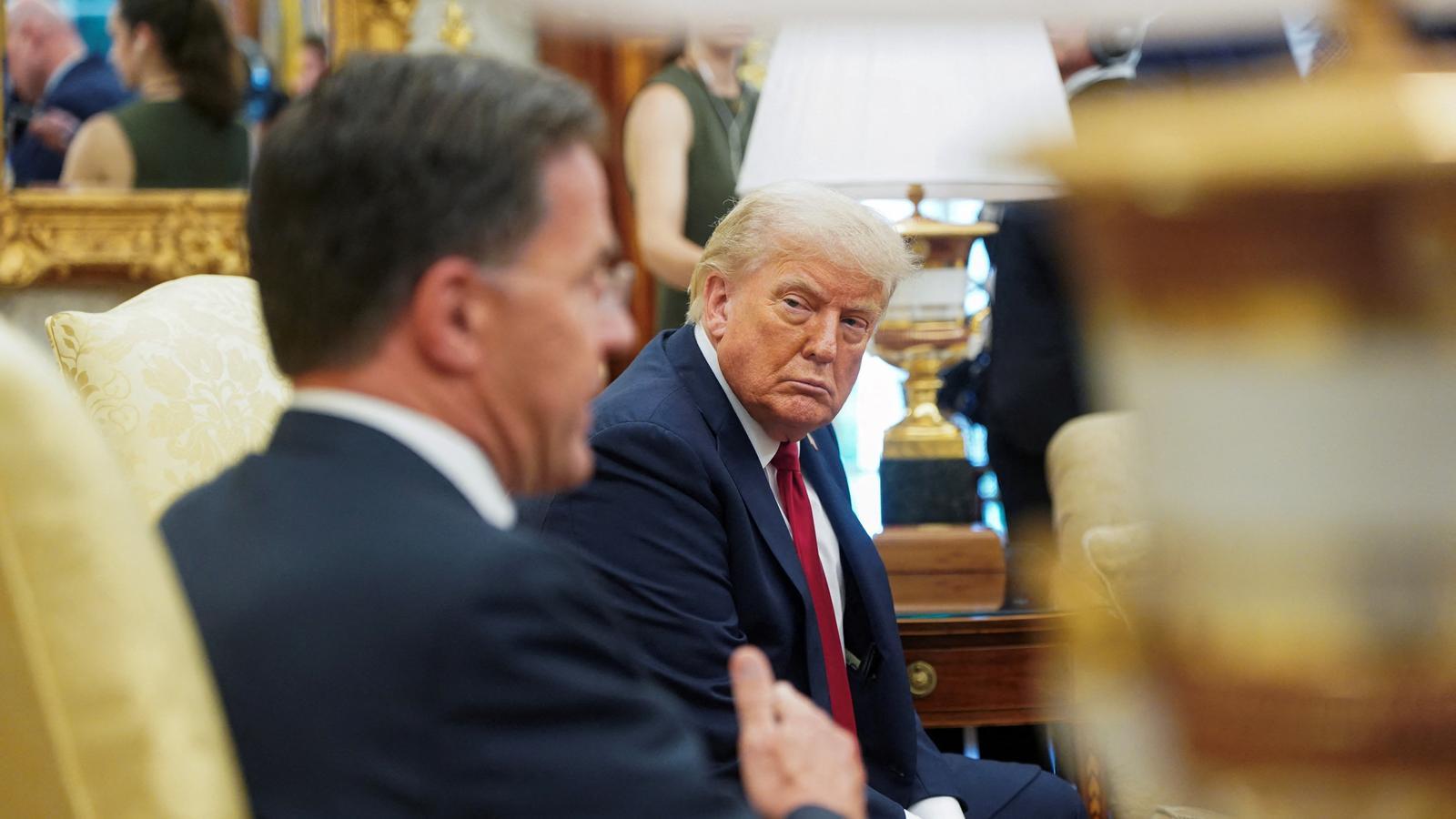
The current state of Atlanticism is well expressed not only by the MAGA movement's frontal aggression, but also by a NATO led by such a lamentable Trump crony as Mark Rutte. In our times of narcissistic leaders and unscrupulous opportunists, it may not seem so, but it makes perfect sense to reread a text like this. The idea of Europe George Steiner's essay on the importance of the past for Europeans, in contrast to American presentism and futurism, writes: "When Paul Celan arrives at the Seine to commit suicide, he chooses the exact spot celebrated in Apollinaire's great ballad, a place located beneath the window of the room where Tsvetaeva spent her last night before returning to desolation and death. in memoriam At once luminous and suffocating. It is precisely this narrative that the United States rejects. Its ideology has been one of dawn and the future. When Henry Ford declared that "history is nonsense," he was providing a password to creative amnesia.
Creative amnesia has taken hold; dawn and the future are central to fascist iconography. Another great European, Rimbaud, wrote in one of his visionary poems (translated into Catalan by Josep Palau i Fabre): "Here is the time of the assassins."
