Catalan, language of the Mediterranean
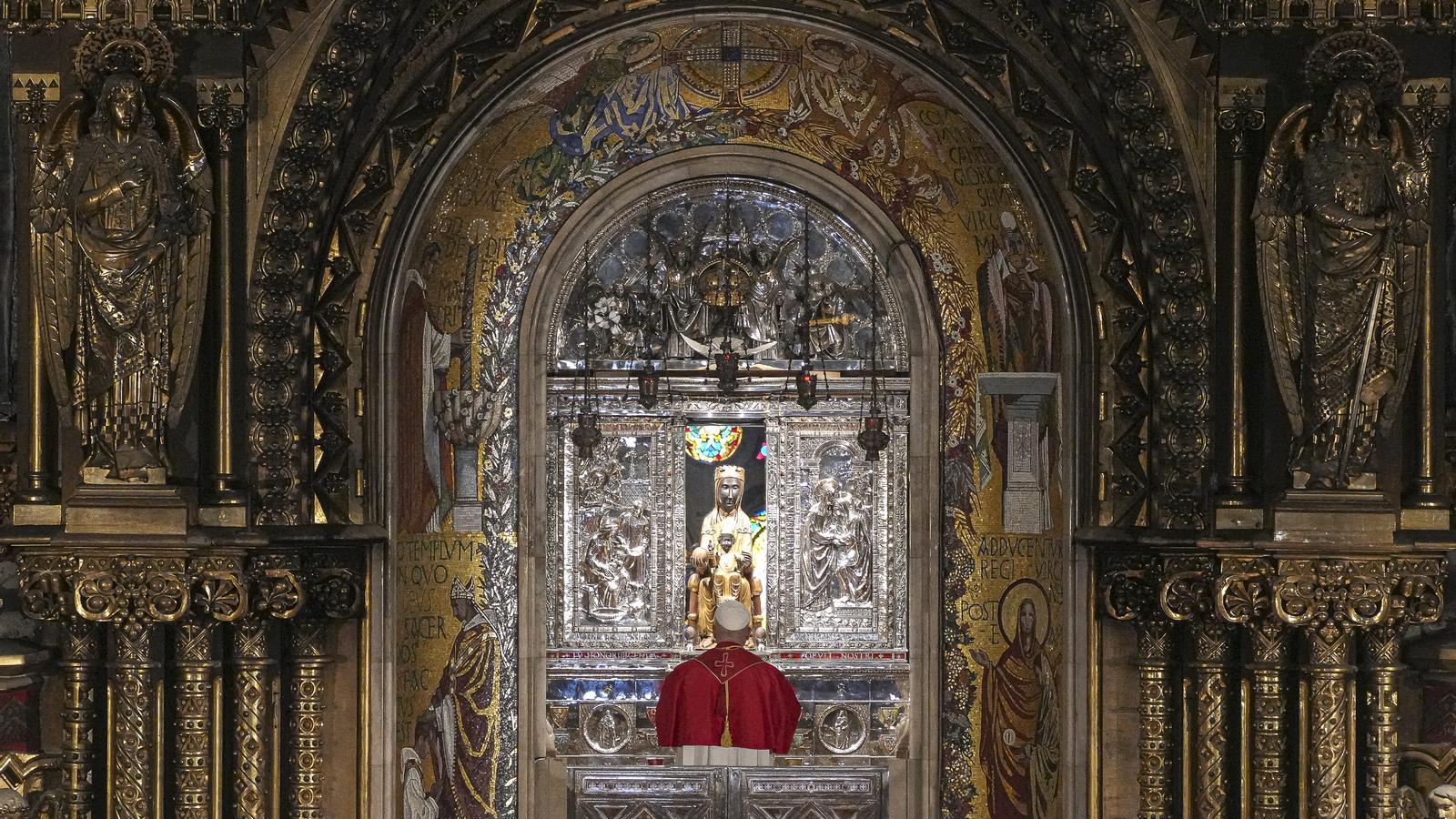
The choice of Catalan by the Pope on his visit to Montserrat is a very important gesture because of its "logic". In the monastery, there were groups of fervent people who made themselves heard a lot. The "jóvenes del Papa", who rhymed "León" with "mola mogollón" or the gentleman who shouted "¡Viva el Papa y viva la virgen!". Alongside this, the parishioner who tried a local "Visca sa santedat el Papa!", had a lot of merit, because Catalans – they know it urbi et orbi– are not so expansive.
In Montserrat, Catalan is "natural", just like snails are in a snail dish. The Virolai, with lyrics by mossèn Cinto, who is one of the key figures in the history of Christianity, speaks with surprising familiarity of the Virgin of Montserrat, La Moreneta. Without this word in Catalan, the history of the monastery is not understood. "The Pope speaks Italian and many languages, and that he spoke in Catalan is because he comes from Latin", I heard a parishioner say, on the way back on the rack railway. In his mind, the Pope's words (speaking precisely of the Virgin) in Catalan legitimized the language.
Catalan is natural, it is normal and it is structural in Catalonia and absolutely necessary in the formation of the identity of the Mediterranean arc. When asked what I am, I say I am Catalan and when asked where I am from, I say I am from the Mediterranean. We are a group of people, around this sea that is almost a lake, who share a way of life that is unlike any other. We eat together and festively, with excuses of Christian tradition. We make bread, wine and oil, the three foods of this culture, from which we come. Our languages, music, and food complement each other. Bread, pain, pane, wine, vin, vino, oil, huile, olio...
