Abascal to 'La revuelta': dominators and dominated

-
CAT -
CAST
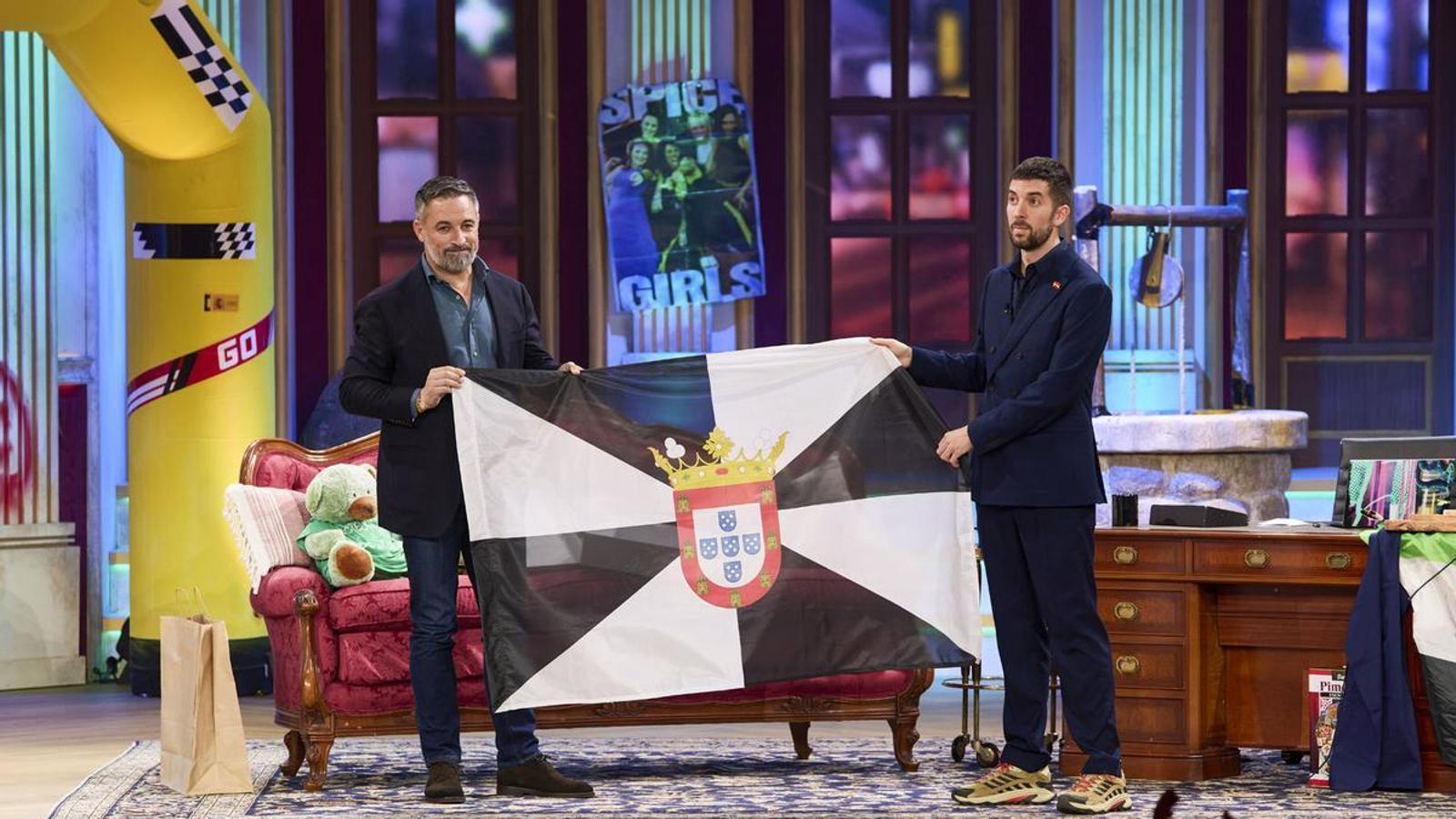
From time to time, in Brussels, I watch La revuelta, on RTVE Internacional. The other day Pedro Almodóvar was there and Broncano took the opportunity to announce that the following Monday, Santiago Abascal, from Vox, would be on the program. I thought the interview would be interesting, and yesterday I watched it. Interesting, it was, and a lot. It was a great lesson, not mainly in politics, but in anthropology and history. Anthropology, dictionaries say, is “the study of the human being in an integral way, encompassing both its biological and evolutionary dimension as well as its cultural and social diversity throughout time”. There, on La revuelta, there were two perfect archetypes of what has been, for time immemorial, the history of Spain. Those above and those below. Those who have dominated and the dominated. Abascal represented perfectly the first archetype, “impasible el ademán”, with answers for everything without a shadow of doubt or hesitation, allowing himself the luxury of a “campechana” bonhomie, with pats on the back and some paternal and affectionate pinches. It takes a few generations to obtain this human type.
In front of him was David Broncano, always so relaxed and now surprisingly cowed. It also requires a long generational transmission (from parents, grandparents, great-grandparents, at the very least), a genetic learning, or of induced memory, of a long secular history made of inequality, obedience, revolt and punishment, to understand the perfect naturalness of this instinctive mutation of the showman of La revuelta, who went from the show to acquiescence, from revolt to the acceptance of the traditional order finally reestablished, fruit of centuries of dominance of the “macizo de la raza” and the fact that there are still classes. Those above, stay above. Those below, stay below, as it should be.
And the audience? The audience had transformed, they had also returned to the old order of things, to the hierarchy of always. They welcomed Abascal standing up, with the cry of “¡Presidente, Presidente!”. For a moment, I thought of a miracle. That loud and exuberant young crowd, irreverent and a bit surreal from La revuelta, had they had a revelation, had they been converted, had they finally seen the truth? Only at the end did I deduce what Broncano confirmed. The deal had been to change the audience: remove the usual ones and bring in the claque.
As Bertolt Brecht once wrote: “Would it not / be simpler if the government / dissolved the people / and elected another one?”
It was better for La Revuelta to dissolve its audience and for Vox to choose a new, favorable one. They did so, it is said, through an intermediary agency. The personnel selection worked like a charm.
Almodóvar, who had announced he would be there, was not there, or the cameras did not show him. The session, rather than Almodovarian, was Berlanga-esque.
The final dialogue was the best part. Broncano, to Abascal: “I do not wish you luck, Santiago”. Abascal, to Broncano: “I do wish you luck. You are going to need it.”
We will all need it.