What gives us security in an uncertain world?
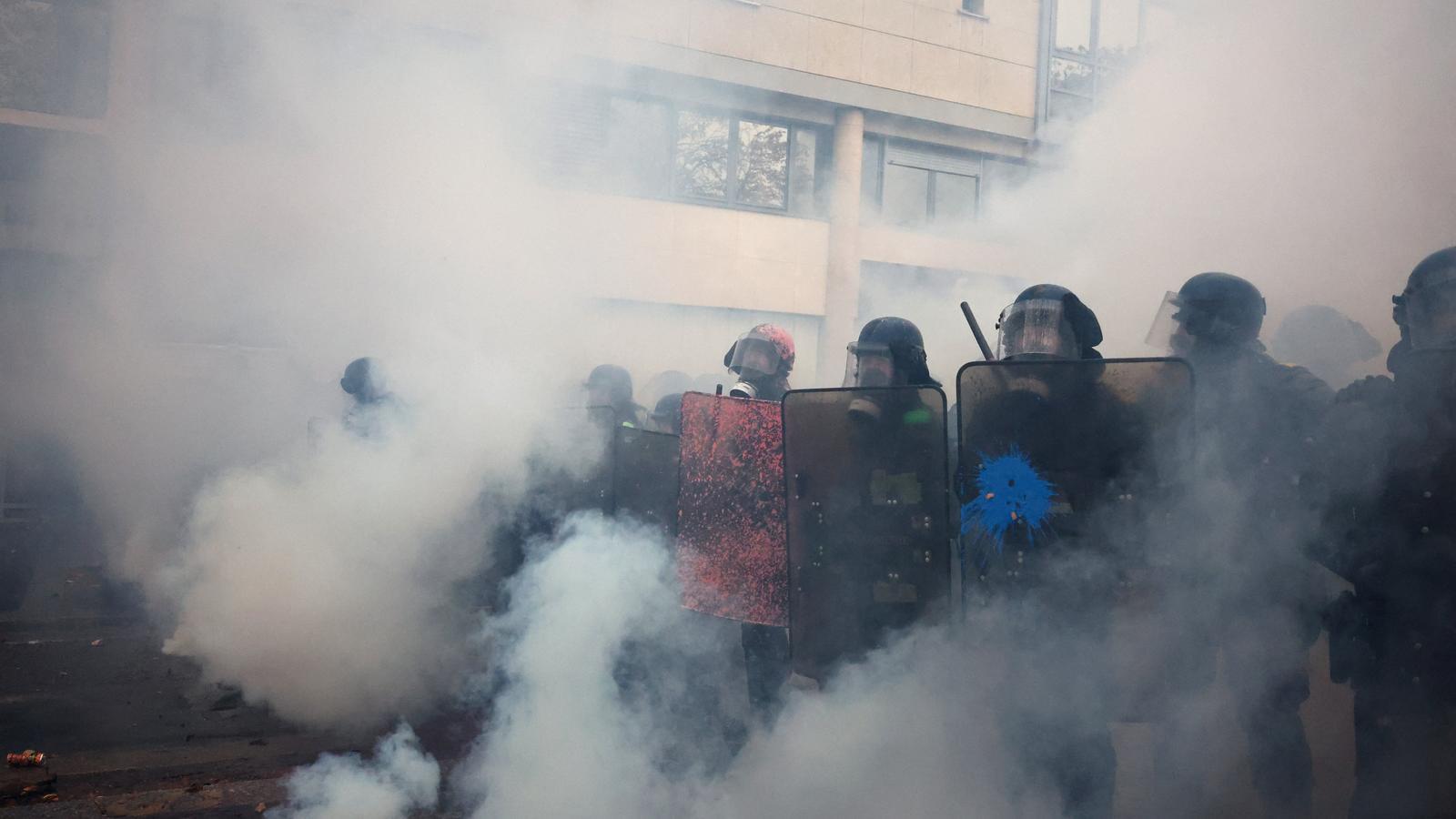

The context is not very reassuring. Almost none of the certainties we had a decade ago remain standing. Russia is no longer a reliable energy partner for Europe but an enemy that seeks to seize Ukraine and tests European countries with drones, cyberattacks, electoral interventionism, and border provocations. Donald Trump's United States is no longer a secure ally and, despite signed treaties, it is not clear that they would come to the rescue of Europeans in a potential Russian attack; rather, they might support it, just as they have not come to the rescue of their Gulf allies either. China is not the cheap factory of the world but an industrial and technological competitor that wipes out the productive fabric of the European continent. The climate crisis is accelerating with a faster rise in temperature than expected, but instead there is a decline in awareness and government actions to stop it. The technological revolution of artificial intelligence has an unthinkable capacity to improve the world and also to destroy it. Inequality has increased, fascist ideology as well, and multilateral and humanitarian organizations are in retreat everywhere, which causes even more crisis.
In the face of all this, how can we defend ourselves? What is it that gives us the most security? Does the militaristic resurgence we are experiencing make sense? These are crucial questions that must be asked because the answers are not obvious. This week's dossier, and the Enfoquem conference on Monday and Tuesday organized by ARA, put the focus on this with the help of various experts. For some, it is clear that the old saying "if you want peace, prepare for war" remains valid and that we must invest even more in defense to create a deterrent effect that prevents attacks. For others, what works is the "weapons effect," and this increase in weaponry is an incentive to use it because the display of violence provokes more violence.
It is true that for too many years Europe has delegated its defense to the United States and that, now that they are withdrawing, it must scramble to recover its capacity to be self-sufficient in the military field. The problem, however, is that to do so, states must make multi-million investments with money that must be diverted from other areas, especially from the social safety net that has given meaning to Europe itself, and which has been suffering from a crisis for years that has led to social outbursts like those we see in France or Italy. It remains to be seen if the welfare state, as we know it, will be able to endure in this new world. And how can this strong investment in defense be made compatible with the investment that is also needed in the technological field, a field in which we are also dependent on our American partner, perhaps in a more subtle but more dangerous way? Brave decisions will be needed, possibly some sacrifices and citizen resistance to maintain values centered on sustainability, the fight against social inequality, and the defense of democracy, which, although imperfect, defines us. But without naivety. As climate scientists say, what is clear is that nothing will ever be as it was before and that what we need is to prepare ourselves to be resilient in the face of what is to come. And this applies to the climate and it applies to everything.
