The Spanish government limits the regulated gas tariff in the face of the price escalation
The council of ministers of this Tuesday approves a new decree for the impact of the war in Iran

-
CAT -
CAST
MadridWith inflation once again through the roof and without prospects of it falling imminently –the European Central Bank (ECB) has resumed raising interest rates–, the Spanish government has been forced to extend part of the measures put in place due to the war in Iran, which were set to expire this September 30th. It is, therefore, the third package of measures approved by Pedro Sánchez's executive to mitigate the effects of the conflict on the cost of living, and it will cost the public coffers 12 billion euros.
The goal is to contain the impact of rising energy prices, both electricity and fossil fuels. "The [forecast] scenario of price stabilization has not been met, but rather has worsened," lamented the Minister of Economy, Carlos Cuerpo, at a press conference this Tuesday. Cuerpo acknowledged that the current context is one of enormous "volatility" and "uncertainty," which justifies extending and expanding the aid, in the government's view.
Cap on gas and butane canisters
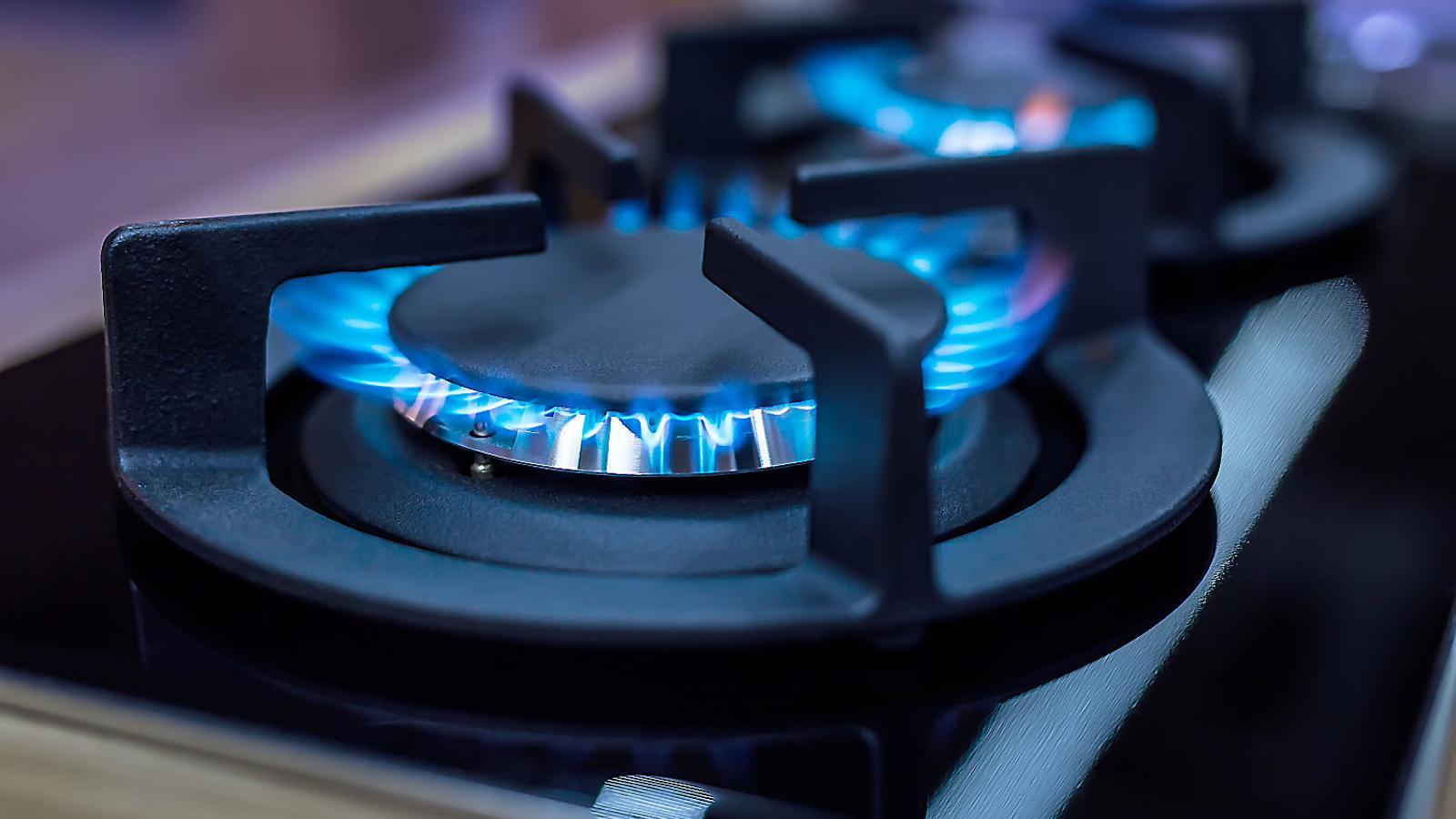
Among the measures approved this Tuesday at the Council of Ministers is a limit on the regulated gas tariff—or last resort tariff (TUR)—which protects about three million consumers. In general, the TUR is more economical than the free market, especially when this fossil fuel becomes more expensive: the European wholesale gas market currently exceeds 80 euros per megawatt hour (MWh), when on January 1st of this year it was below 29 euros.
"If we did not put a limit on it, the regulated tariff would increase by 45% next month. Now, the increase will be a [maximum of] 15% [in November]," said the Third Vice President and Minister for the Ecological Transition, Sara Aagesen. The measure comes just at the threshold of autumn and winter, when families make the most use of this fuel to heat their homes. A maximum price of 19.95 euros is also stipulated for the butane cylinder in the State.
Fuels
A reduction of 20 cents per litre on the special tax on hydrocarbons (IEH) is approved, which will affect both diesel and gasoline, although it will be progressively reduced until December of this year (13 cents in November and 6 cents in December). In any case, an automatic reactivation clause will continue to exist if fuel prices rise, so that the aid would return to 20 cents per litre.
Electricity bill
The VAT reduction on the electricity bill (from 21% to 10%) and the special tax on electricity (the usual rate is 5.11%) is recovered if the CPI data for the month of September is 15% higher than in September 2025. The gas reduction is also recovered.
Regarding the tax on the value of electricity production, the Spanish government maintains its progressive disappearance towards 2028. This year it will be at 5%; in 2027 at 3.5%, and in 2028 it will be eliminated entirely.
Affected sectors
Other measures are aimed at the most affected sectors, from agriculture to the transport sector or large industry, which have seen how energy prices have become more expensive –through the Strait of Hormuz, still blocked today, passed 20% of the world's crude oil trade and a good part of the liquefied natural gas trade–. Consequently, other products produced with gas, such as fertilizers, have also become more expensive, which has an impact on the entire food chain.
The direct aid of 20 cents per liter for the purchase of fuel for the agri-food sector (farmers, ranchers, and fishermen) is maintained until December 31st. And a budget of 15 million euros is approved for the purchase of fuel for rail transport. Compensatory aid for fishing vessel owners is also approved.
Vulnerable families
Aid for vulnerable consumers is maintained until December with extraordinary discounts on the social electricity bonus – 42.5% for vulnerable and 57.5% for severely vulnerable – and the prohibition of cutting off water and energy due to non-payment for families with the greatest difficulties.
Energy security
Finally, regarding energy security, the requirements for liquefied natural gas (LNG) storage are being expanded.
