Catalonia, among the communities where the restaurant menu of the day is most expensive
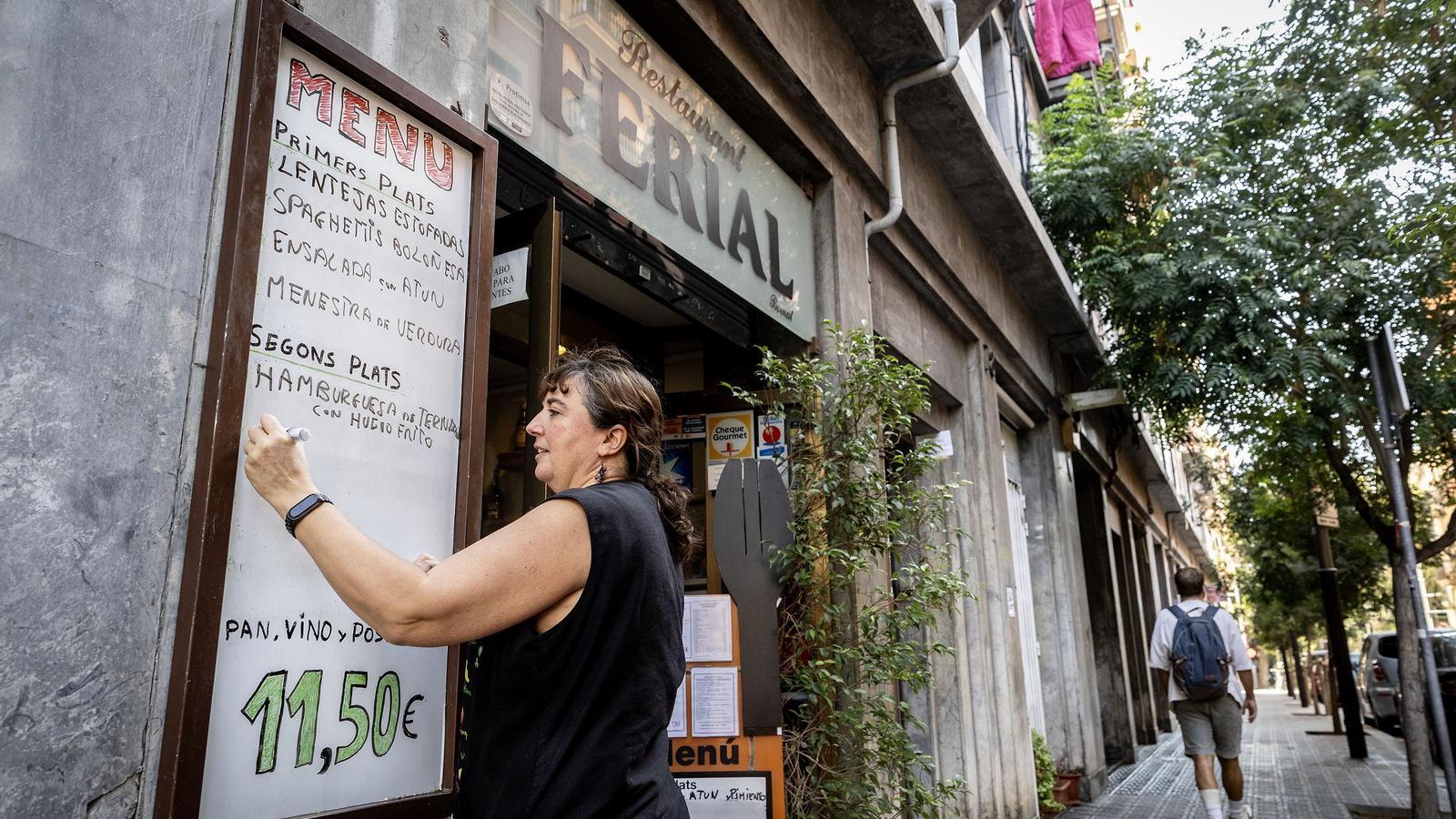
The average price of the menu has risen by 3.5% in one year and stands at 15.7 euros in Catalonia, above the Spanish average and only behind the Basque Country and the Balearic Islands

-
CAT -
CAST
BarcelonaEating from a set menu remains one of the common options for dining out, but it is becoming a bit more expensive each time. The price of the daily menu now reaches 14.7 euros on average in Spain, compared to 14.2 euros in 2025. This represents an increase of 3.5% in one year, according to the latest survey by Hostelería de España and Edenred, which analyzes the evolution of prices and the habits of establishments.
Territorial differences are significant. The Basque Country is the autonomous community with the most expensive daily menu, with an average of 16.3 euros, followed by the Balearic Islands, where it costs 16 euros. Catalonia occupies the third position, with 15.7 euros, compared to the Valencian Community (15.2 euros) and the Community of Madrid (15 euros). At the other extreme, the Canary Islands and Murcia record the lowest prices, with 13.5 euros. Andalusia, Asturias, and Extremadura are also among the most affordable autonomous communities, with a price of 14 euros.
The rise in prices occurs in a context of increasing costs. In September, the general CPI rose by 4.9% year-on-year, while food and non-alcoholic beverages became 2.7% more expensive, according to the data collected in the report. Some common kitchen products recorded more pronounced increases: eggs rose by 12.3%, legumes and vegetables by 9.8%, and beef by 7.9%. Energy products also became 21.7% more expensive, according to the same document. These figures reflect the general evolution of prices, but they do not allow for directly attributing the entire increase in the menu price to these factors.
Despite the price increase, the daily menu retains some of the features that explain its popularity. The main reason for choosing it is having a fixed and predictable price, as pointed out by 34.5% of the surveyed establishments. Next is homemade or traditional cuisine, with 21.8%, and the speed of service, with 19.3%. In addition, 84.9% of restaurants incorporate traditional or regional dishes at least one day a week, and 50.4% incorporate them every day.
The survey also points to an increasingly flexible offer. 89.1% of establishments adapt the menu to different dietary needs: 54.6% habitually and 34.5% upon request. Almost half, 47.1%, offer a half-menu, and 68.7% have a takeaway option. These are alternatives that allow adjusting the meal to the needs and budget of each customer, beyond the traditional full menu.
The rise in prices, however, does not necessarily translate into more activity for the sector. According to data from Hostelería de España, restaurant turnover grew by 2.7% on average until July, but activity fell by 1.6% once the price effect was deducted. The data point to the sector's difficulties in maintaining the volume of activity in a context of rising costs, while trying to offer affordable menus.
